France Civil Unrest 2026: Duty of Care for November 5 Strike
On Sunday night, November 1, 2026, a petrol bomb was thrown at French riot police during protests in Paris. That isn’t normal. France has a long history of industrial action and street demonstrations - the Yellow Vest movement, pension reform protests, fuel price marches - but petrol bombs at police mark a qualitative shift in the unrest that has been building since mid-October.
If you have employees in France right now, or anyone traveling there in the next week, you need a plan before Thursday. A nationwide general strike is confirmed for November 5, with four major SNCF rail unions participating and the inter-union CGT coalition calling for walkouts across public and private sectors. RER, TGV, Intercités, and TER services face significant disruption. Schools are already being blockaded by students. The French government had 70,000 police deployed across the country during the Halloween weekend protests alone.
This is not a routine disruption. Here is what the situation looks like - and what you need to do.
What Is Actually Happening in France Right Now
The unrest has its roots in cost-of-living pressures, stagnant wages, and cuts to public services - a combination that has been building political pressure since late 2025. In October 2026, that pressure cracked open into coordinated street protests that spread well beyond Paris into provincial cities.
By the final week of October, protest leaders were publicly calling for students to barricade their schools and keep them blockaded until their demands on teacher shortages and building repairs were met. Multiple union federations coordinated around a single strike date: November 5. The timing is deliberate - it falls one day before the inaugural commercial run of the TGV M, France’s new-generation high-speed train, giving unions maximum leverage and visibility.
The UK FCDO updated its France travel advisory to note “an increased likelihood of demonstrations, political gatherings and marches taking place across France, sometimes at short notice,” and specifically warned that “demonstrations may disrupt local transport services and authorities may impose public safety measures, including partial and localised curfews in some areas.”
Curfews. That is worth pausing on. The FCDO is not a cautious body given to dramatic language, and partial curfews in specific districts of a major Western European city should recalibrate your risk assumptions about France.
The movement is also spreading internationally. German activists organised demonstrations on October 31 in solidarity with French protesters. Albania saw similar gatherings the same weekend. France has become an early indicator of a broader European discontent that other governments are watching with concern.
The November 5 Strike: What It Means Operationally
Four of SNCF’s most representative unions - including CGT-Cheminots - are confirmed participants in the November 5 walkout. Practically, this is what you should expect for anyone in France on Thursday:
- TGV services between major cities face cancellations and severe delays. SNCF typically publishes its service forecast the evening before, but corporate travel teams should not wait for that announcement. Plan now for no reliable rail service.
- Intercités and TER regional trains are both participating. Cross-country travel by rail is effectively suspended for the day.
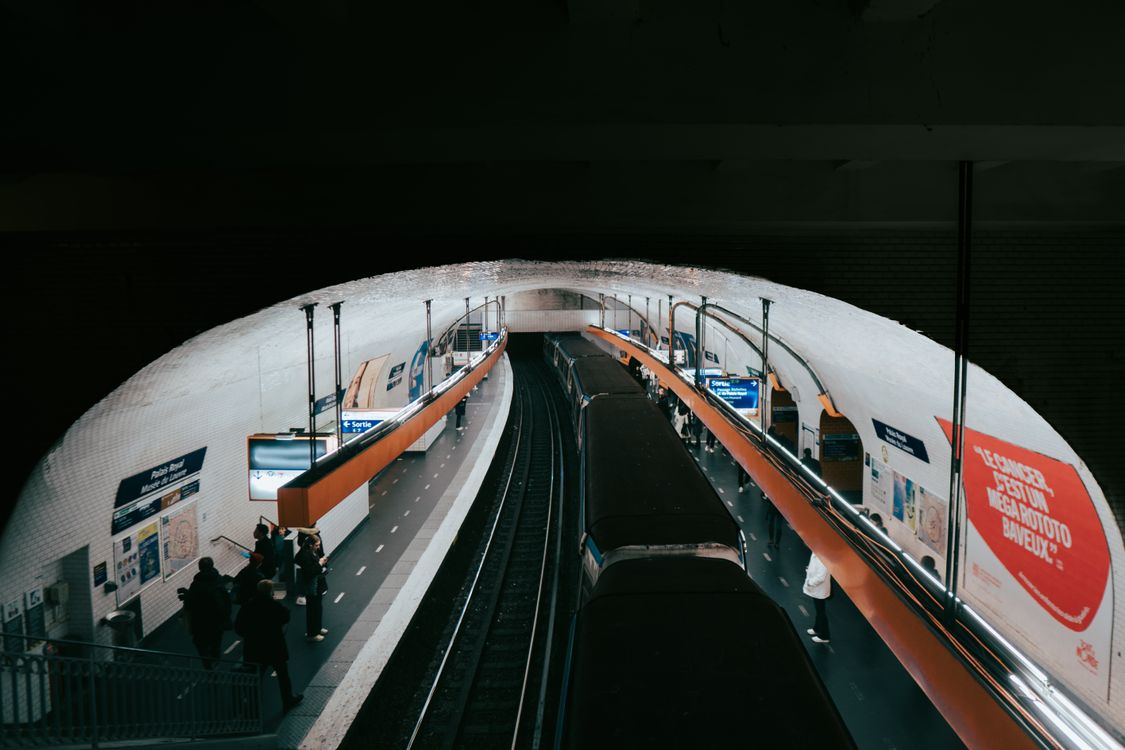
- Paris RER lines - the backbone of commuter transport connecting CDG airport to central Paris and the wider Ile-de-France region - are at serious disruption risk. For employees flying in or out of Charles de Gaulle or Orly on November 5, rail access to the airports cannot be assumed.
- Paris Metro may see selective solidarity action. The RATP has separate union structures from SNCF, but that hasn’t prevented coordinated walkouts in past national strike days.
- Schools will be closed or operating at reduced capacity in many areas due to student blockades and teacher participation.
- Government services will run at reduced capacity. Any scheduled meetings with French government counterparts should be moved or rescheduled.
The day after - November 6 - carries its own risk. The TGV M inaugural run will attract attention and potentially further protest activity around major stations.
The Security Situation Beyond the Strike
Transport is the most predictable dimension of this risk. The security picture requires a bit more nuance.
Most demonstrations since mid-October have been peaceful by the standards of major protests. But the petrol bomb on November 1 - which French prosecutors are investigating as an attempted murder - signals that a harder fringe is operating within or alongside the broader movement. The French interior minister warned that covering faces with Halloween costumes during demonstrations could result in fines, reflecting official concern about identifying individuals involved in violence.
Areas to steer clear of on and around November 5:
- Identified march routes - typically announced 24-48 hours before by organisers, and reportable by local media
- Government ministry buildings and official offices, which draw the most confrontational elements
- Major transit hubs during disruption, where stranded traveler frustration and protest energy can converge in unpredictable ways
- Areas with a visible heavy police presence - tear gas and water cannons have been in active use
The FCDO advises: “Stay away from areas with large crowds or a significant police presence, and follow the advice of police and local authorities.”
For employees based in central Paris, the Champs-Elysées, République, Bastille, and Nation areas have historically been the key flashpoints. Employees should be briefed on which streets to avoid and have a planned alternative route back to their hotel or office that doesn’t cross active march corridors.
Your Duty of Care Obligations Are Active Right Now
If you have employees currently in France - or with travel to France planned before November 10 - your duty of care obligations are live and time-sensitive. A few things you should have done or be doing today:
Know where your people are. Do you have a real-time list of every employee currently in France? If your tracking relies on spreadsheets and email check-ins, this situation exposes exactly the gap that approach creates. You should be able to pull that information within minutes, not hours.
Issue pre-travel briefings immediately. Anyone traveling to France this week should receive a written advisory covering: the November 5 strike and expected transport disruption, areas to avoid, local emergency contact numbers, and your company’s escalation procedure. Sending this after an employee is stranded at CDG - or caught near a march that turned violent - is not sufficient. Courts and regulators assess duty of care based on what you knew and when you acted.
Lock in alternative transport now. CDG and Orly are accessible by taxi, private hire, and bus. If you have employees with flights on November 5 or 6, confirm ground transport is booked and paid. Do not leave this to individuals to arrange on the day.
Brief on situational awareness. Protests have been overwhelmingly non-violent, but employees should be instructed to monitor RATP and SNCF apps for real-time updates, avoid march routes, and know the difference between a peaceful demonstration they can walk around and a situation that warrants getting off the street immediately.
Check your insurance wording tonight. Does your corporate travel policy cover delays caused by civil unrest? Does your duty of care cover include political violence and civil disorder? Look specifically for exclusions around “civil commotion,” “labour action,” and “government acts.” If your policy is ambiguous on this, it is ambiguous in a way that may benefit the insurer, not you.
Document your escalation chain. If the situation escalates on November 5 - particularly if violence increases around major march routes - who calls whom, in what order, with what authority? That chain should be written down and known to employees before they need it. A crisis communication plan that lives only in the security director’s head doesn’t exist when the security director is unavailable at 11pm.
The Pattern Beyond France
France’s current unrest is not a one-off. It reflects the same underlying pressures - wage stagnation relative to inflation, housing costs, and rolling public service cuts - that drove the Yellow Vest movement in 2018-2019, and similar dynamics in Argentina, Greece, and across Latin America during their respective crisis periods.
The European dimension matters for organisations operating beyond France. German demonstrators mobilised in solidarity over the Halloween weekend. Italy, Belgium, Spain, and Portugal all have active union federations and unresolved disputes over wages and public services. The specific trigger in each country will differ, but the underlying conditions for rapid escalation from industrial action to street unrest are present across more of Western Europe than many corporate risk frameworks currently reflect.
This is not an argument for suspending European travel programs. It is an argument for updating your risk picture, ensuring your travel approval processes have factored in current conditions, and making sure your employees have the information they need to protect themselves.
Before Thursday: A Working Checklist
- Confirm the list of employees currently in France or traveling there before November 10
- Send written strike and disruption briefings to all relevant employees today
- Book alternative ground transport to CDG and Orly for November 5-6 travel
- Brief employees on march routes to avoid and situational awareness protocols
- Review travel insurance policy wording for civil unrest and labour action exclusions
- Set up SNCF and RATP service alerts for real-time transport updates
- Confirm your emergency escalation chain is documented and distributed
- Subscribe to UK FCDO email alerts for France at gov.uk/foreign-travel-advice/france
The November 5 strike is three days away. That is enough time to act, but only if you start now.
HAAVYN’s Radar platform monitors civil unrest and transport disruptions across 220+ countries, pushing real-time alerts to your team the moment the picture changes. If your current setup can’t tell you within minutes that a strike has been called in a city where your people are working, that’s a gap worth closing - ideally before Thursday.
Sources: UK FCDO France travel advice (updated November 2, 2026) - Tier 1. The Guardian France coverage, October 26 - November 2, 2026 - Tier 2. RFI France, October 26, 2026. CNBC TV18, October 2026.