Houthi Attacks on Riyadh: Gulf Travel Duty of Care Briefing
Early on Saturday, September 19, 2026, air raid sirens sounded over Riyadh. Yemen’s Houthi movement launched a coordinated wave of cruise missiles, ballistic missiles, and drones targeting the Saudi capital and an Aramco fuel depot adjacent to King Khalid International Airport. Saudi air defenses intercepted the ballistic missile over the city. But the interception didn’t stop what came next: black smoke rising over the airport perimeter, FlightRadar24’s disruption index for Riyadh hitting its maximum rating of 5.0 - “major problems with long delays and several cancelled flights” - and Etihad pulling its Delhi-Abu Dhabi service with minimal notice.
For corporate risk managers, this is not a story to file under “watch this space.” The US State Department has now placed six Gulf states at Level 3 (Reconsider Travel), covering 10 Middle East destinations in total. If your organization has employees assigned to or transiting through the region, your duty of care obligations shifted materially on September 19. How you respond in the next 72 hours will determine your legal exposure if things escalate further.
What happened and why the September 19 attack is different
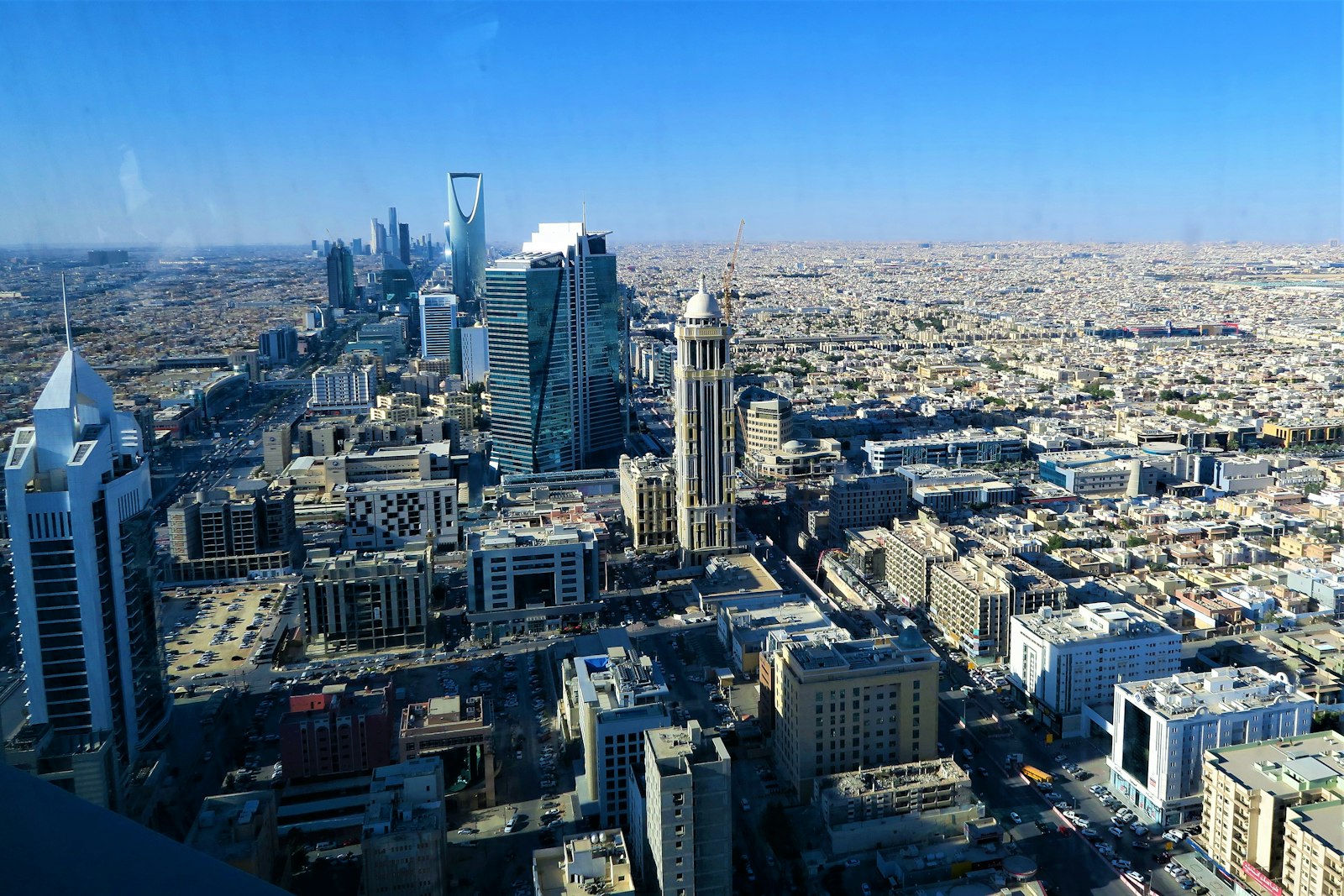
The Houthis have been targeting Saudi Arabia since 2015, but this week crossed a threshold. Riyadh - the Saudi capital, home to roughly 7.5 million people and a major hub for international business operations - had not faced an air raid alert in years. Houthi military spokesperson Brigadier General Yahya Saree confirmed the group launched “cruise and ballistic missiles as well as drones” at the capital and energy infrastructure simultaneously.
Three consequences matter specifically for corporate travel risk:
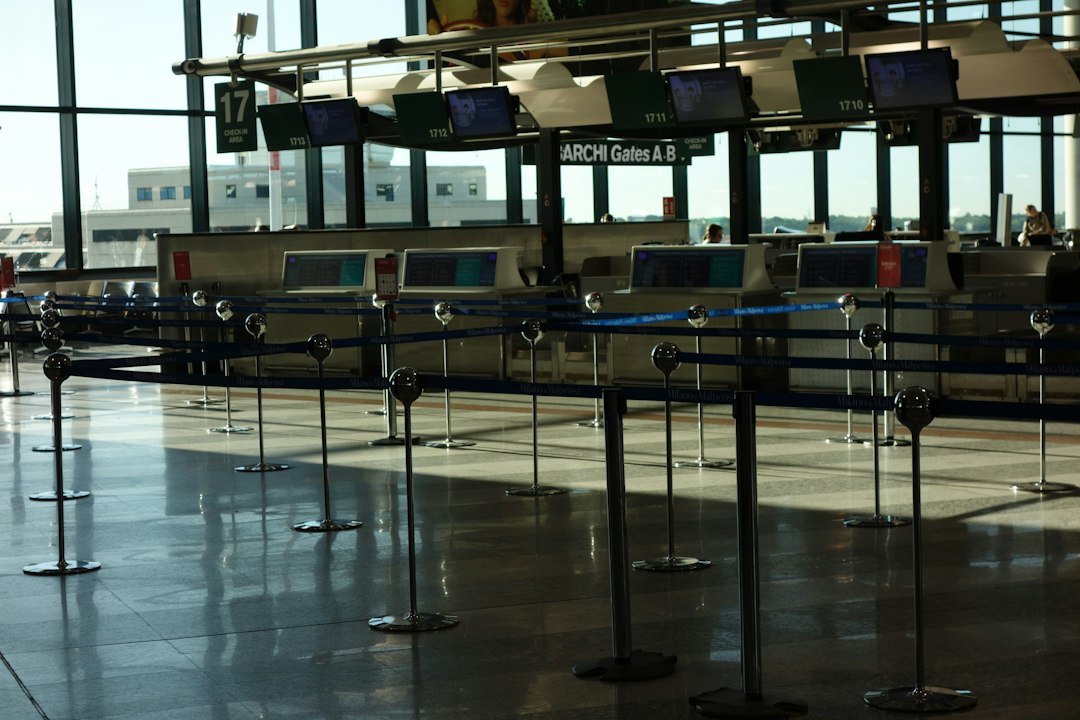
Airport disruption. King Khalid International handled more than 35 million passengers in 2025. The fuel depot strike sent smoke across the runway approach corridor, triggering the operational pause that generated the FlightRadar24 maximum index reading. Even intercepted attacks cause cascading delays - flights hold, ground crews shelter, connecting banks collapse. Passengers transiting Riyadh on September 19 found themselves stranded with no rebooking guarantee.
Regional airspace sensitivity. Airlines operating the Gulf corridors - Emirates, Qatar Airways, flydubai, Air Arabia - have already rerouted significantly to avoid Houthi-controlled Red Sea territory since early 2024. A strike that threatens or damages actual airport infrastructure in Saudi Arabia could trigger the kind of coordinated airspace restriction that the EASA imposed on Middle East routes in July 2026. That precedent is recent enough that airline operations teams are already running the scenario.
The precedent effect. September 19, 2026 marks the first successful attack on Riyadh airport infrastructure since the conflict began. That fact will appear in every post-incident legal review for employees harmed in the Gulf region going forward. Employers who continued sending staff to Saudi Arabia after this date without updated risk documentation will face an uncomfortable question: what did you know, and when?
The current advisory picture
The US State Department’s advisory ratings for the region as of September 21, 2026:
- Bahrain - Level 3, Reconsider Travel
- Kuwait - Level 3, Reconsider Travel
- Oman - Level 3, Reconsider Travel
- Qatar - Level 3, Reconsider Travel
- Saudi Arabia - Level 3, Reconsider Travel
- UAE - Level 3, Reconsider Travel
- Israel - Level 3, Reconsider Travel
- Jordan - Level 3, Reconsider Travel
- Iraq - Level 4, Do Not Travel
- Lebanon - Level 4, Do Not Travel
Level 3 is the legal inflection point. Under UK Health and Safety at Work Act case law - and increasingly under Australian and EU frameworks - a Level 3 designation triggers a higher standard of care from employers. It is no longer sufficient to rely on the employee’s judgment or a generic travel policy. Organizations must demonstrate active assessment, communication, and mitigation.
It is worth noting that when the US embassies issued their coordinated “consider departing” alerts across these same 10 countries in August 2026, many risk teams treated it as a high-alert situation and tightened their approvals accordingly. We covered that advisory package in detail here. The September escalation is materially worse: what was then a warning of potential deterioration is now documented kinetic activity against a major regional capital.
Where your duty of care exposure actually sits
Most corporate travel policies treat Level 3 as a yellow light: get manager sign-off, maybe add a risk briefing, proceed. That approach will not survive a post-incident legal review in 2026.
UK courts have established in multiple rulings - including Thompson v Renwick Group and Baker v Quantum Clothing - that employers have a non-delegable duty to assess dynamic risk environments and communicate material changes to employees working in them. The September 19 attack is a material change. If an employee is harmed in the Gulf region and your risk documentation doesn’t show that your organization reviewed its exposure after September 19, that gap will be exploited.
Your specific exposure points:
Employees currently in the region. Have they received a formal notification of the updated risk picture? Do they know what triggers an immediate departure recommendation? Is there a communication channel open that doesn’t depend on mobile networks that may be disrupted during a regional escalation?
Employees transiting Gulf hubs. Doha, Dubai, and Abu Dhabi are currently operational, but they sit within the escalation perimeter. An employee in transit who gets stranded for 48 hours during a regional flare-up has a claim against you if your travel policy didn’t account for that scenario.
Contractor and third-party workers. ISO 31030 is explicit: duty of care extends to contractors and secondees, not just direct employees. If your suppliers have people in the Gulf, document what you’ve asked them about their duty of care frameworks.
Future bookings. Any travel approved after September 19 to Level 3 Gulf destinations requires a documented risk assessment. The evidentiary standard for approvals made before September 19 is different from approvals made after it. Make that distinction in your records.
What to do in the next 72 hours
Run a traveler audit immediately. Pull your active traveler list for all 10 countries in the advisory package. This means current assignees, people in transit today and over the coming week, and everyone with bookings in the next 30 days. If your travel management system can’t surface this in under five minutes, that’s a gap your risk program needs to address before the next escalation.
Read your insurance policies - the actual policies, not the summary. Standard corporate travel insurance typically contains war risk exclusions that activate precisely in situations like this. The exclusion language varies, but phrases like “armed conflict,” “military action,” and “acts of terrorism by organized groups” are common triggers. Malicious risk insurance - covering kidnap and ransom, political violence, and terrorism - is a separate product class. If you don’t have it and your employees are working in Level 3 Gulf states, that conversation needs to happen with your broker this week, not after an incident.
Update your travel policy for Level 3 Gulf states. At minimum, add requirements for: named-approver sign-off (not just category approval) for all new bookings; a pre-trip briefing with threat information current within 48 hours of departure; a documented communication plan specific to the traveler’s location; and a signed acknowledgment from the employee confirming they understand the elevated risk environment. Paperwork is not bureaucracy - it is evidence.
Set up automated alert monitoring across all 10 countries. The situation in the Gulf can shift within hours. If your risk team is relying on weekly briefings or manual advisory checks, you are operating with a lag that could leave travelers uninformed during a fast-moving escalation. Automated monitoring that surfaces embassy security messages, airline route changes, and advisory updates across all affected countries removes that lag.
Pre-position evacuation options before you need them. If you have employees in Saudi Arabia, Kuwait, Bahrain, or Oman, identify exit routes now. Amman, Cairo, and Istanbul remain viable Gulf alternatives if the major UAE and Qatar hubs are disrupted. Know the commercial options, know the charter contacts, and know which approvals your finance team needs before a crisis call comes in at 2 AM.
The aviation angle for travel managers
Corporate travel teams with heavy Gulf routing need a specific conversation with their TMCs this week:
- Which of your standard routes use Red Sea or contested airspace corridors? What are the alternate routings and what is the cost differential?
- What is the airline’s rebooking policy if a Gulf hub goes into operational pause? Is your corporate agreement clear on this?
- Is your policy’s “cheapest available fare” requirement creating exposure by defaulting to Riyadh connections that are now demonstrably higher risk?
- For long-haul routes that connect through Doha or Dubai: what is the contingency if a regional escalation grounds the connection hub?
These questions don’t require cancelling Gulf operations. They require knowing the answers before an incident forces you to find out under pressure.
Preparing for further escalation
The scenario most risk managers should have gamed out - and most haven’t - is what happens if the Houthis conduct a successful strike on a Gulf hub airport, or if Saudi counterstrikes trigger a broader Iranian response.
In that scenario, you will see: airline route suspensions happening within hours (as with the July 2026 EASA action); insurance underwriters requiring immediate disclosure of in-region employee exposure; employees calling your emergency line asking for instructions your travel policy doesn’t contain; and, eventually, regulatory or legal discovery processes asking for your risk documentation from the weeks before the escalation.
The organizations that come through cleanly are the ones that treated September 21, 2026 as the moment to act - not the moment to wait and see what happens next. The Houthis have demonstrated they can project force into the Saudi capital. The question for your risk program is no longer whether the Gulf is elevated-risk. It’s whether your framework is calibrated for what elevated risk actually looks like now.
HAAVYN’s Radar platform monitors threat intelligence across 1,200+ sources and 220+ countries, with real-time alerts delivered directly to travelers and risk teams when conditions change. If you’re managing Gulf exposure without automated monitoring, book a call with our team to see what your current risk picture actually looks like.