Typhoon Dujuan: Duty of Care Lessons from Japan's Latest Storm
On the morning of Monday, 22 September 2026, 1.9 million people in and around Tokyo were told to get out.
Typhoon Dujuan was bearing down on Japan’s Kanto region with sustained winds of 130km/h and gusts reaching 194km/h. By the time the storm passed, four people were dead, 22 were injured, six were missing, 50,000 households had lost power, and Japan Airlines and All Nippon Airways had cancelled a combined 275 flights.
If your organization had anyone in Japan that week - and Japan hosts tens of thousands of visiting business travelers at any given time - you faced a live test of your duty of care program. How did it hold up?
What Happened, and How Fast It Moved
Japan saw Dujuan coming. It was the country’s 25th named typhoon of 2026 - an unusually active season, driven in part by a “super El Niño” that has warmed Pacific ocean temperatures and intensified storm formation. Scientists note that as ocean surfaces heat, typhoons that do form carry more energy: higher sustained winds, and far heavier rainfall than historical averages predict.
The storm’s track toward the Izu Islands and the Kanto region gave authorities a window to act. Japan’s Fire and Disaster Management Agency issued evacuation advisories for 1.9 million residents across Tokyo, Kanagawa, and Chiba prefectures. NHK broadcast continuous warnings. Airlines moved early: Japan Airlines cancelled 135 flights on 22 September, and All Nippon Airways scrapped 140 more.
But here is where it gets uncomfortable for risk managers: the storm moved faster and hit harder than many contingency plans assumed.
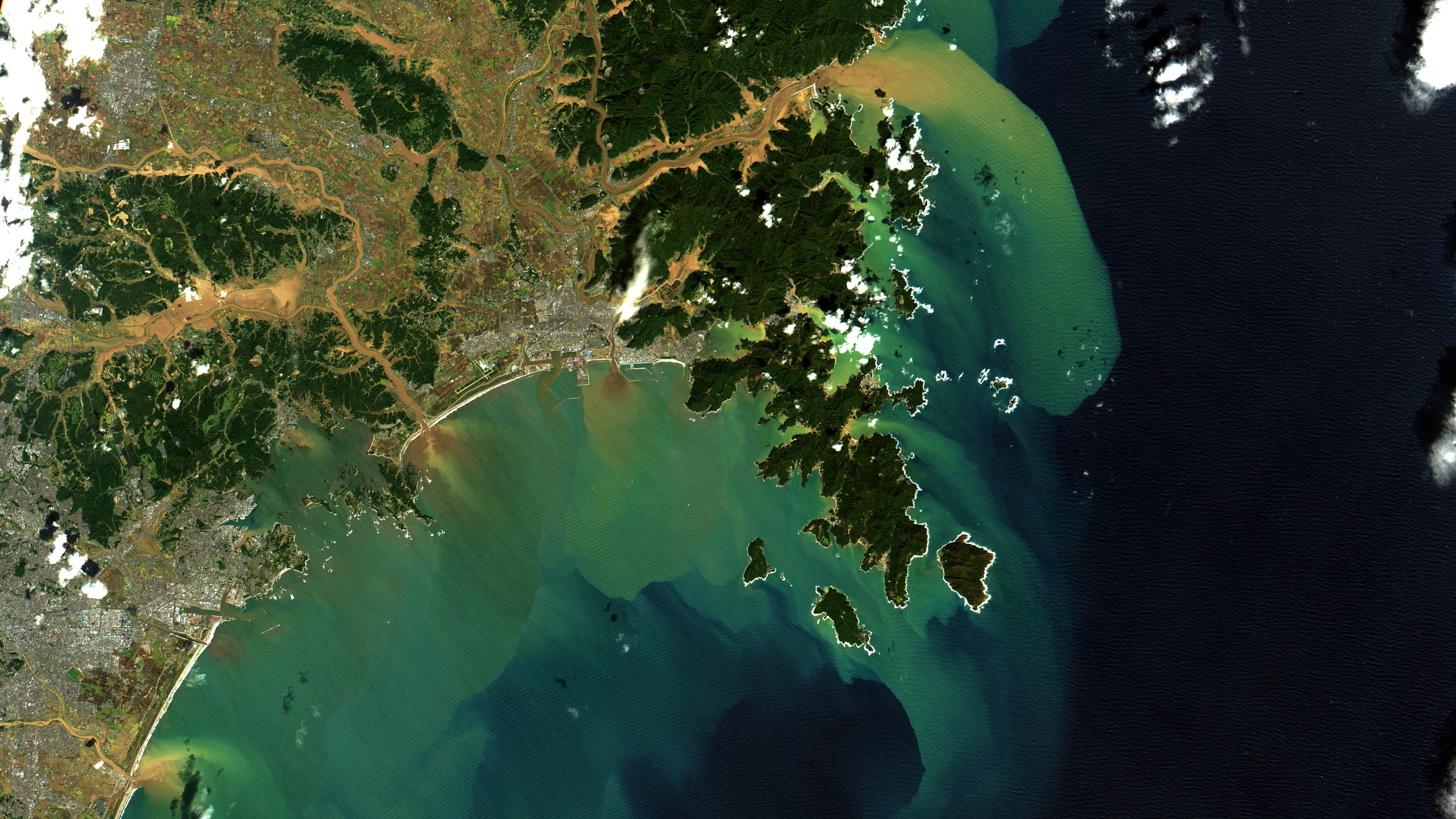
Oshima island, roughly 120km south of central Tokyo, received 832mm of rain in 48 hours - more than double its average rainfall for the entire month of September. Tokyo’s Edogawa ward logged 282.5mm in a single 24-hour period, a record. Mud and debris moved fast.
In Yokosuka, Kanagawa prefecture, a woman in her 60s was killed when a landslide buried her home. Three more people died in Chiba prefecture in separate landslides the same day. A fifth person, a construction worker in his 50s, died in Sodegaura after being trapped while clearing debris from a slide site. Six others remained missing as the storm pulled away on Tuesday morning.
Yokosuka is not a remote outpost. It sits about 65km from central Tokyo. If your team had a site visit, a trade show, or a client meeting anywhere in the Kanto region that week, they were in the impact zone.
The Scale of Business Travel Disruption
Japan consistently ranks among the top ten business travel destinations globally. Late September is peak season for corporate visitors: Japan’s autumn conference and trade show calendar fills up fast, and the Tokyo Game Show - one of the world’s largest video game industry events - was running from 20-23 September at the Makuhari Messe convention center in Chiba.
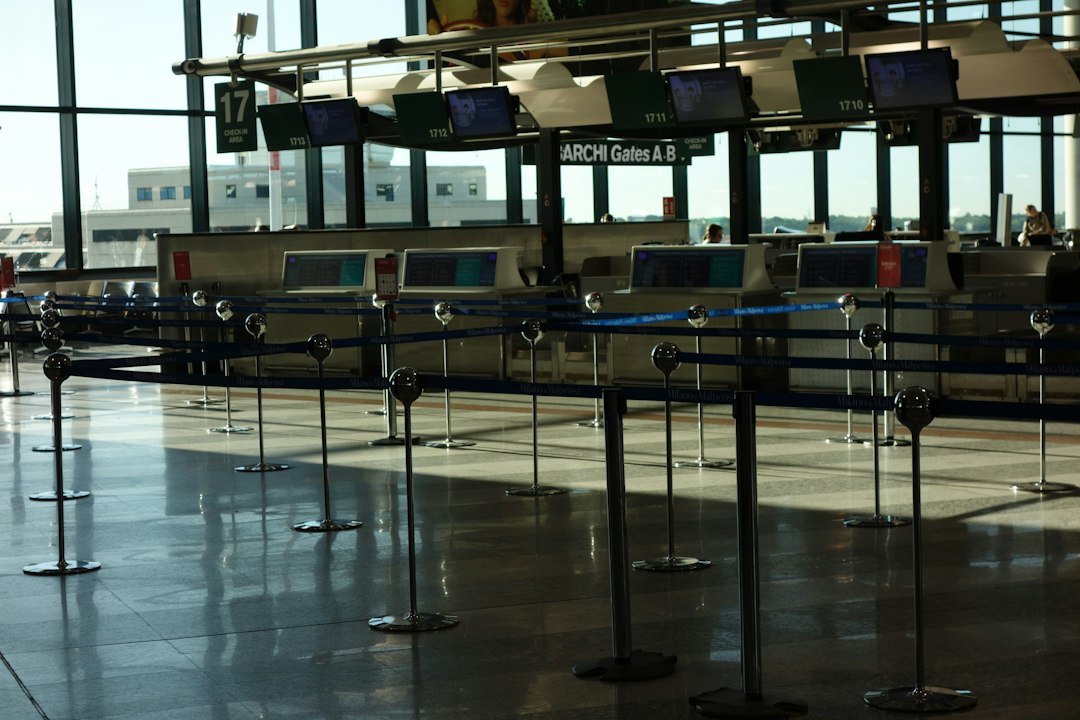
On Monday the 22nd, the Tokyo Game Show cancelled the day’s entire programme. Concerts at the Rock in Japan music festival were also called off. Corporate events across the Kanto region were disrupted or shut down mid-run. Rail services across multiple prefectures were suspended. Passengers queued at Haneda Airport as flights were cancelled, delayed, or diverted with no clear rebooking timeline.
275 flights cancelled across two carriers in a single day. If your traveler was booked on one of those flights, they needed rebooking - and they needed someone to help them do it, confirm their hotel was still accessible, and tell them whether it was safe to stay put or move to another location.
Travel disruption at this scale exposes the gaps in corporate programs quickly. The questions that matter:
- Who had visibility over which employees were in Japan during the storm window?
- If your tracking relies on booking data, what about travelers who self-booked, extended their stay, or drove in from Osaka or Nagoya?
- Who was responsible for rebooking stranded travelers - the TMC, the traveler themselves, or someone in the corporate travel team?
- Did your risk intelligence platform flag Dujuan early enough to shift non-essential travel before those 275 flights were cancelled?
- Did you have a 24/7 emergency line travelers could actually reach?
Most organizations can answer one or two of those questions with confidence. Few can answer all five.
Japan’s Typhoon Season Is Not Over
Dujuan struck on 22 September. The peak of Japan’s typhoon season runs from August through October, with some of the most powerful storms making landfall after mid-September. Typhoon Hagibis in October 2019 killed 86 people and caused estimated economic damage of around 1.87 trillion yen. The pattern of late-season intensification is well-documented.
Dujuan being Japan’s 25th named typhoon of 2026 - with more than six weeks of season remaining - signals an exceptionally active year. If your organization has ongoing operations in Japan, your next risk assessment needs to reflect that this is not a quiet period.
For pharmaceutical field teams, technology companies with Tokyo offices, engineering firms with manufacturing sites in the Tokai or Kanto regions, or any organization with staff regularly moving through Haneda or Narita - the question is not whether another major storm will develop before November. The question is how much warning you will get and whether your protocols will activate in time.
What Duty of Care Looks Like in Practice
ISO 31030, the international standard for travel risk management, requires organizations to assess foreseeable risks and take proportionate action to protect their people. Foreseeable, in the context of Japan in late September, includes typhoon risk. It is not obscure. It is on the calendar every year.
A properly functioning travel risk program activates roughly 72-96 hours before a storm makes landfall.
72 hours out - initial alert phase
- Risk alert issued to all travelers booked into affected prefectures (Tokyo, Kanagawa, Chiba, Shizuoka)
- Non-essential travel within the projected storm window flagged for deferral or approval escalation
- Hotel and accommodation contacts verified - confirm properties are open and accessible
- Alternative transit routes and safe fallback locations identified
24-36 hours out - active risk management
- Traveler welfare check-in protocol activated for all in-country staff
- New travel to affected regions suspended for non-essential purposes
- Emergency contact details and in-country resources pushed to all travelers
- Out-of-hours emergency line confirmed as operational and staffed by a person, not a voicemail
During the storm
- Regular welfare checks through your platform or protocol
- Proactive flight rebooking support through your TMC or corporate travel desk
- Real-time monitoring of evacuation orders, road closures, and infrastructure status
- Clear internal escalation path if a traveler cannot be located
Post-storm
- All-clear confirmation before business travel resumes to affected prefectures
- Debrief on any travelers caught in disruption
- Formal incident log if any duty of care protocols were triggered
Most organizations have fragments of this in place. The problem is usually integration - intelligence feeding into response, response connecting with travelers, travelers feeding back into tracking. That gap is where people end up sitting in hotel rooms without information, making their own decisions about whether to drive through a landslide-affected area with no guidance from their employer.
If a traveler is injured because they moved through an active hazard zone - and their employer had not communicated the risk - that is not a gap in the traveler’s judgment. That is a duty of care failure.
What Risk Managers Should Do Right Now
If you had travelers in Japan last week and you are only reviewing the situation now, here is where to start.
Audit your Japan itineraries for the next 60 days. Typhoon season runs through October and potentially into early November. Know who is booked, for what purpose, and what your risk threshold is for each trip. Non-essential travel to typhoon-exposed regions during active storm weeks should require explicit approval.
Pressure-test your notification lead time. Dujuan gave a 48-72 hour warning window. Can your risk intelligence platform identify an approaching typhoon, tag affected travelers, and push an alert within that window? If you are not sure, use this event as a case study and test it now.
Confirm your emergency line is staffed. Not a voicemail. Not an email address checked in business hours. A person who picks up when a traveler calls from Chiba at 2am and cannot get current information about whether their hotel is accessible.
Review your travel suspension triggers. Do you have pre-defined criteria that activate automatic travel suspension for named storms or government evacuation advisories? Or does each event require a judgment call under pressure from whoever happens to be available?
Check your insurance coverage for natural disaster disruption. Standard corporate travel policies typically cover medical evacuation and trip cancellation. They often exclude business interruption from natural disasters. If you have teams regularly operating in Japan, the Philippines, Taiwan, or other typhoon-exposed corridors, specialist travel and malicious risk insurance is worth reviewing. In an above-average typhoon season, the risk math changes.
Brief your Japan-bound teams on the current season. Dujuan is done. The season is not. Make sure your people know what to do if another storm develops - who to call, where to go, and what your organization’s trigger point is for telling them to get out early.
The Bottom Line
Four people are dead. 275 flights were cancelled in a single day. 1.9 million residents were urged to leave their homes. Most of them were not on corporate itineraries.
But some of the travelers stranded at Haneda on 22 September were. Some of the people sitting in hotels without power across Kanagawa and Chiba were on business trips. For each of them, someone in a headquarters office was either actively managing the situation - or finding out about it after the fact.
Japan is a mature, well-organized country with excellent emergency infrastructure. If your program struggles to manage a typhoon event in Japan, the harder question is how it would hold up in a less stable destination with less reliable communications and less accessible medical support.
HAAVYN’s Radar platform monitors 1,200+ intelligence sources across 220+ countries in real time and surfaces traveler alerts automatically when a risk threshold is crossed. If Dujuan exposed gaps in how your organization tracks and supports travelers during severe weather events, book a call with our team. We can walk through exactly where the gaps are and what proportionate controls look like for your operation.